
Aya Master Plant
Aya Master Plant: Ancient Wisdom, Modern Discovery
Aya Master Plant, often referred to as "Mother Aya Master Plant," has captivated people across the globe. This sacred plant medicine, deeply rooted in the traditions of indigenous Amazonian cultures, has long been used for healing and spiritual exploration.
In recent years, its influence has expanded beyond its origins, gaining recognition in the Western world. But what makes Aya Master Plant so special? Why is it regarded as a guiding force, and how has it transitioned from an ancient practice to structured modern ceremonies?
Its impact extends beyond spiritual insights—science is only beginning to uncover its potential therapeutic benefits.
Alongside traditional preparations, scientifically developed Aya Master Plant analogs offer a pharmaceutical-grade alternative, blending ancestral knowledge with modern research.

The origins of Aya Master Plant are shrouded in history, with much of its past remaining unknown. However, its present-day use can be linked to the colonial era in the Western Amazon.
As indigenous communities endured the hardships of colonization—including forced labor and widespread disease—they found themselves in mission settlements where cultural interactions gave rise to a blend of indigenous traditions and European influences.
The Evolving Traditions of Aya Master Plant
The perception of shamanism and sacred plant medicine has been transforming globally, especially with the increasing interest from individuals outside the Amazon. Today, Aya Master Plant ceremonies are no longer solely guided by indigenous shamans—mestizo healers with varying expertise and non-Amazonian practitioners trained in traditional methods are also leading ceremonies. This evolution highlights a major cultural and spiritual shift in the way Aya Master Plant is understood and practiced.
In recent years, the practice of vegetalismo has gained significant recognition as a distinctive form of folk healing that merges various cultural influences. This tradition is primarily carried forward by mestizo shamans, who incorporate Aya Master Plant, a powerful psychoactive brew, as a fundamental part of their healing rituals. These healers utilize Aya Master Plant not only to identify illnesses but also to develop holistic treatment approaches, guided by their profound belief in the spiritual essence of plants, each thought to carry its own unique energy and wisdom.
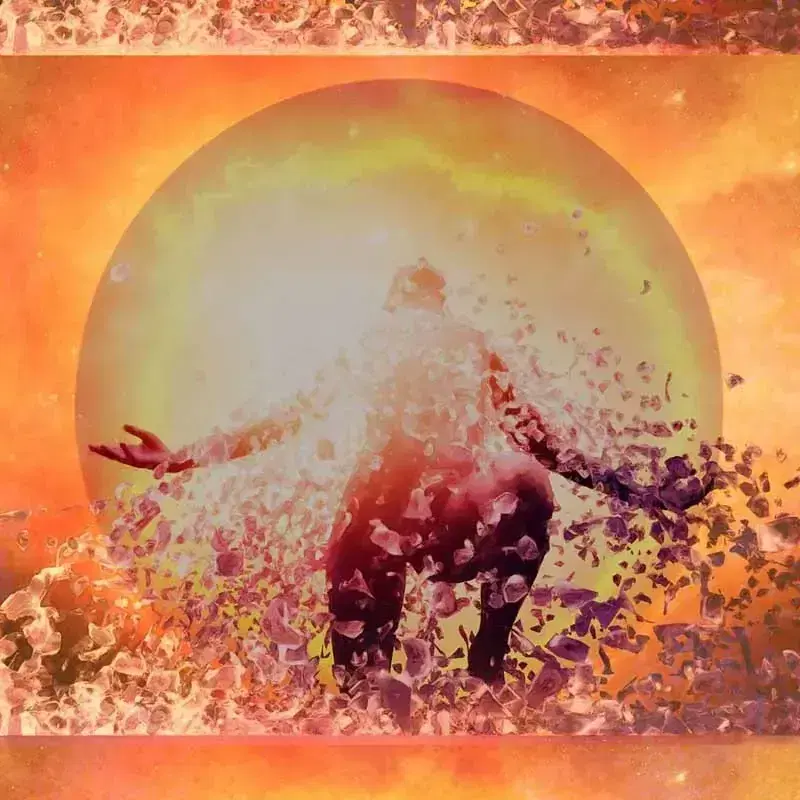
Mestizo shamanism finds its origins in the deep-rooted traditions of the indigenous Amazonian peoples, who have long honored plant medicine. Over time, these practices were shaped by the introduction of Christian influences, particularly through Jesuit missionaries during the colonial era, resulting in a fusion of native spiritual knowledge with European religious elements. This blending of traditions has led to the evolution of a resilient and adaptable healing system.
The continued transformation of Aya Master Plant practices reflects an intricate cultural exchange, incorporating various beliefs and therapeutic methods to address the needs of modern society. Beyond its role in physical healing, vegetalismo serves as a gateway to self-discovery and spiritual insight, preserving the significance of ancestral wisdom while adapting to contemporary contexts.
With the expansion of urbanization, these traditional practices underwent reinterpretation in emerging cities along Brazil’s major rivers. This transformation led to the development of organized religious movements like Santo Daime, União do Vegetal (UDV), and Barquinha. While deeply connected to ancestral traditions, these groups adapted Aya Master Plant rituals to align with modern spiritual needs, showcasing the evolving and dynamic nature of its cultural relevance.
Scientific Insights and Therapeutic Potential of Aya Master Plant
Aya Master Plant has increasingly captured Western interest, largely due to its representation in literature and its growing application in therapeutic settings. Influential writers such as William S. Burroughs and the McKenna brothers have shared their encounters with the brew, sparking curiosity and expanding awareness of its effects.
Furthermore, groundbreaking research by scientists like Richard Evans Schultes and Claudio Naranjo has contributed to the understanding of Aya Master Plant’s chemical composition. By studying its primary components, including DMT and harmala alkaloids, these studies have shed light on its profound influence on human consciousness and its potential benefits in psychological healing.

The Evolving Role of Aya Master Plant
Aya Master Plant is no longer solely a remnant of ancient spiritual traditions—it has also emerged as a contemporary tool for psychological healing and self-exploration. Its uses now extend beyond sacred ceremonies, aiding in the treatment of addiction and deep emotional wounds. The preparation process, which involves brewing the Banisteriopsis caapi vine with Psychotria viridis leaves, remains a revered and time-honored ritual, passed down through generations with profound respect.
To truly understand Aya Master Plant is to acknowledge its dual existence—serving as both a spiritual guide in indigenous traditions and a powerful catalyst for healing in modern therapeutic settings. Its journey exemplifies the intersection of ancestral wisdom and contemporary science, demonstrating how the past and present continue to shape its significance. As research and practice evolve, Aya Master Plant’s potential for transformation continues to unfold, offering new pathways for discovery and insight.

Aya Master Plant is a sacred Amazonian brew crafted from the Banisteriopsis caapi vine and Psychotria viridis leaves. Known for its potent psychoactive effects, it plays a central role in spiritual exploration and healing. The combination of harmala alkaloids and DMT produces profound, transformative experiences, often used in ceremonial settings for deep introspection and personal growth.
The Significance of Aya Master Plant
Once deeply rooted in Indigenous Amazonian traditions, Aya Master Plant has gained global attention not only for its spiritual impact but also for its therapeutic potential. Beyond its historical ceremonial use, this powerful brew is now being explored for its profound effects on mental health.
Research has shown that Aya Master Plant may offer significant relief for conditions such as depression, anxiety, and PTSD. A groundbreaking study published in Psychological Medicine reported notable improvements in individuals struggling with treatment-resistant depression after a single session. These findings highlight its expanding role in psychological healing, sparking discussions among medical and therapeutic professionals about integrating ancient plant medicine into modern healthcare.
The Spiritual Heritage and Modern Complexities
The growing global interest in Aya Master Plant has placed it at the center of both spiritual exploration and legal debate. In regions such as the United States and parts of Europe, its use exists within a legal gray area—recognized by some as a powerful tool for transformation while remaining restricted under controlled substance laws.
This paradox highlights the broader challenges of incorporating psychoactive substances into conventional therapeutic frameworks.
Rooted in deep cultural and spiritual traditions, Aya Master Plant is now gaining recognition for its potential role in mental health treatment. It challenges traditional approaches to healing, prompting a reexamination of what constitutes effective therapy.
As a result, Aya Master Plant serves as both a gateway and a hurdle in the ongoing evolution of global health practices, drawing interest from diverse communities navigating its complex significance.
Modern Shamanic Practices and Therapeutic Uses
Across North America and Europe, contemporary shamanic ceremonies have emerged, reinterpreting ancient traditions to fit modern spiritual and healing needs. These neo-shamanic rituals blend indigenous Amazonian elements with Western spiritual perspectives, attracting individuals seeking deeper self-exploration outside traditional religious and psychological systems. By emphasizing healing and personal development, neoshamanism positions Aya Master Plant as a powerful tool for transformation and self-discovery.
On the therapeutic front, Aya Master Plant’s applications are gaining increasing attention from researchers and clinicians. Studies are exploring its potential to address mental health conditions such as depression, anxiety, and PTSD. The brew’s psychoactive compounds, particularly DMT, induce deep introspection, allowing individuals to confront past traumas and emotional struggles within a shorter timeframe than conventional therapies. As a result, Aya Master Plant is being incorporated into experimental treatment settings, often under the guidance of trained therapists and medical professionals familiar with its profound effects.
Aya Master Plant as a Contemporary Healing Tool
The rise of Aya Master Plant tourism has led to a surge in wellness retreats across South America—particularly in Peru, Ecuador, and Brazil—with its influence gradually expanding to other regions worldwide. These retreats attract thousands of visitors, primarily from Western countries, seeking profound spiritual and emotional renewal through the transformative effects of Aya Master Plant.
However, this growing trend also brings ethical and environmental concerns, such as the commercialization of an indigenous practice and the strain on natural resources due to increased demand for the sacred plant.
As Aya Master Plant becomes more integrated into Western culture, it continues to blur the lines between tradition and modernity, spirituality and therapy, sacred rituals and contemporary healing. Its widespread appeal reflects a collective yearning for deeper purpose and connection in an increasingly fragmented world.
Pharmahuasca is a lab-synthesized alternative to traditional Aya Master Plant, combining harmala alkaloids and DMT to replicate its psychoactive effects in a controlled, standardized form, offering consistency, reduced variability, and accessibility for therapeutic, spiritual, and research purposes while minimizing potential impurities and dosage uncertainties, ensuring safer experiences, precise measurements, and improved reproducibility in clinical and scientific settings.


Copyright © 2025 Arise. All rights reserved. Arise® and the Arise logo design are registered trademarks of Arise Inc. All other trademarks and logos are the property of their respective owners.
Privacy PolicyWebsite Terms of Use